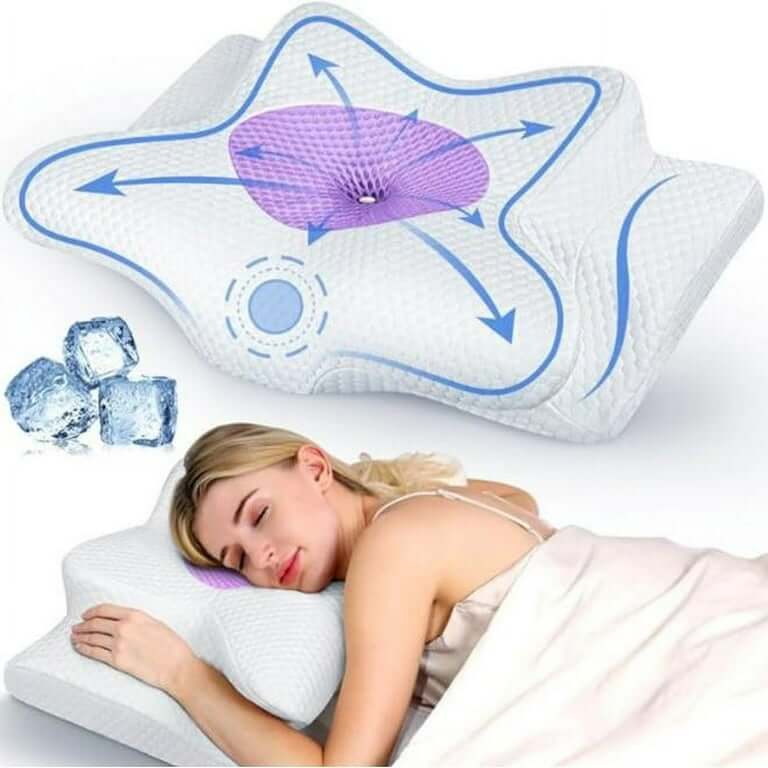
The Complete Guide to Memory Foam Pillows

Everything you need to know to make an informed decision and find your perfect pillow

What You'll Learn:

🔍

Different types of memory foam and their benefits

🛏️

How to choose based on your sleep position and needs

Key features to look for when shopping

🧼

Care and maintenance tips to extend pillow life

How we evaluate pillows

Updated February 28, 2026. This guide is maintained by Dr. Michael and our product testing team.

Our scoring framework weights: neck alignment (30%), pressure relief (25%), thermal comfort (20%), build quality (15%), and value (10%). For targeted use cases, continue to side sleeper picks and pregnancy pillow picks.

Who this guide is for

  • You wake up with neck/shoulder stiffness and your current pillow collapses overnight.
  • You are unsure how to choose between adjustable, contour, cooling, and bamboo options.
  • You need one framework to compare side-sleeper, pregnancy, neck-pain, and travel use cases.

Quick Navigation

What is Memory Foam and Its Benefits

Memory foam, originally developed by NASA in the 1960s, is a viscoelastic polyurethane foam that responds to heat and pressure. When you lie on a memory foam pillow, it contours to the shape of your head and neck, providing personalized support and pressure relief.

Key Benefits of Memory Foam Pillows:

🎯

Pressure Relief

Reduces pressure points on your head, neck, and shoulders for more comfortable sleep.

🦴

Spinal Alignment

Maintains proper neck and spine alignment throughout the night.

🛏️

Motion Isolation

Absorbs movement, reducing disturbances from partner motion.

Durability

High-quality memory foam maintains its shape and support for years.
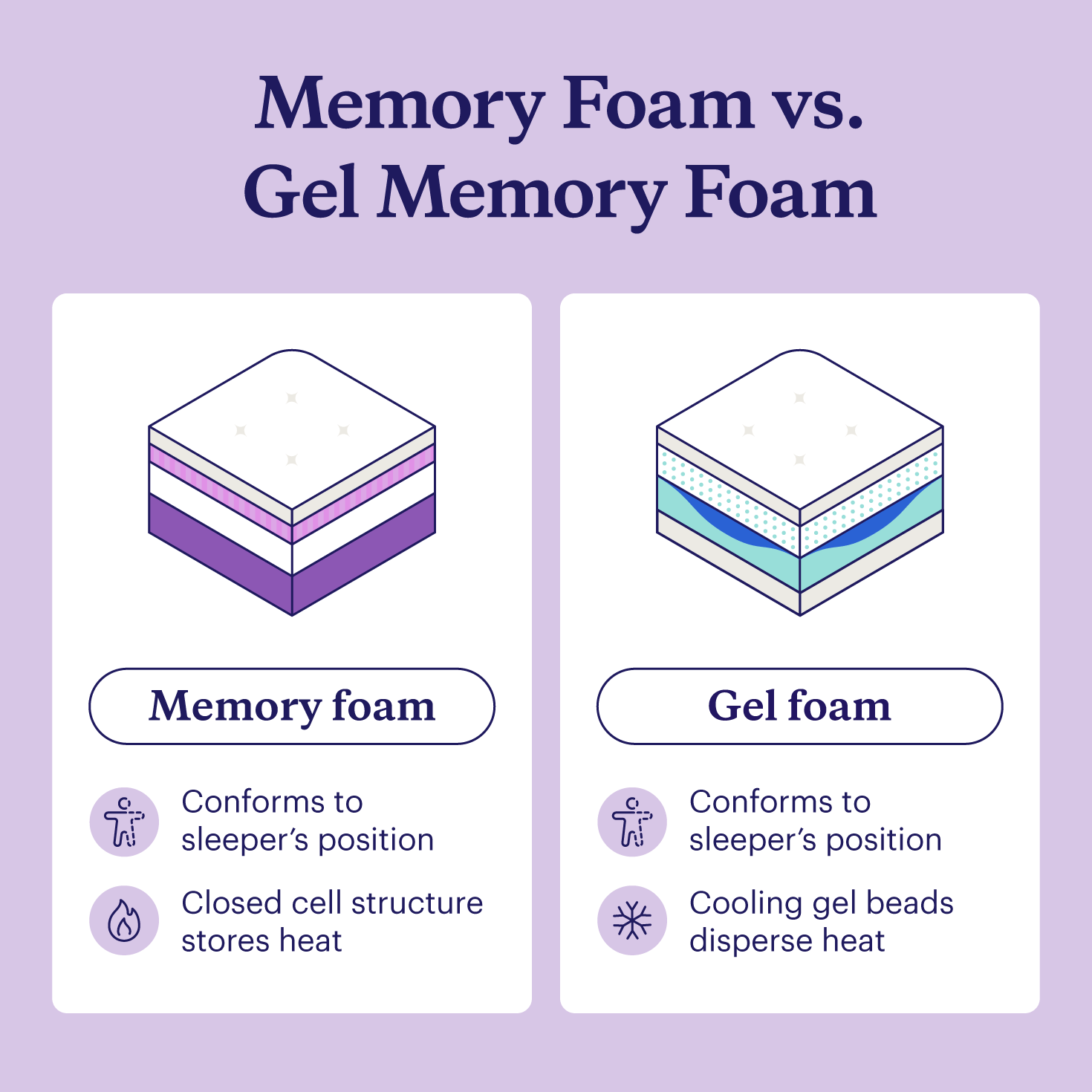
Illustration showing memory foam contouring to a person's head and neck.

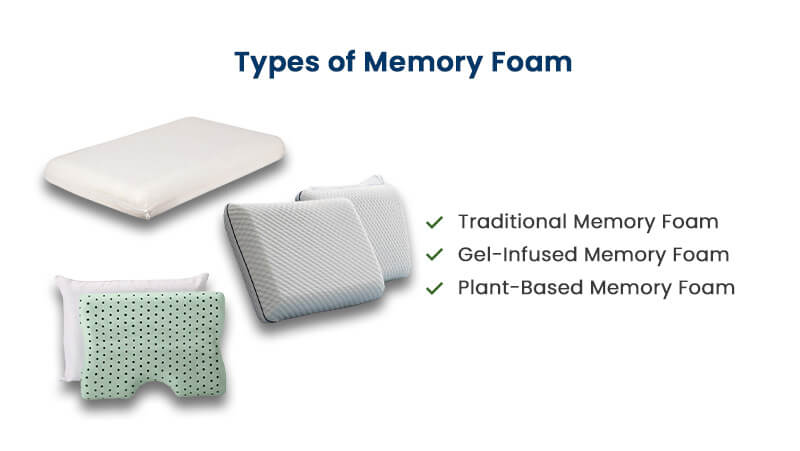
Different Types of Memory Foam

Understanding the different types of memory foam will help you choose the best option for your specific needs and preferences.

Traditional Memory Foam

Most Common
A block of traditional memory foam.

Characteristics:

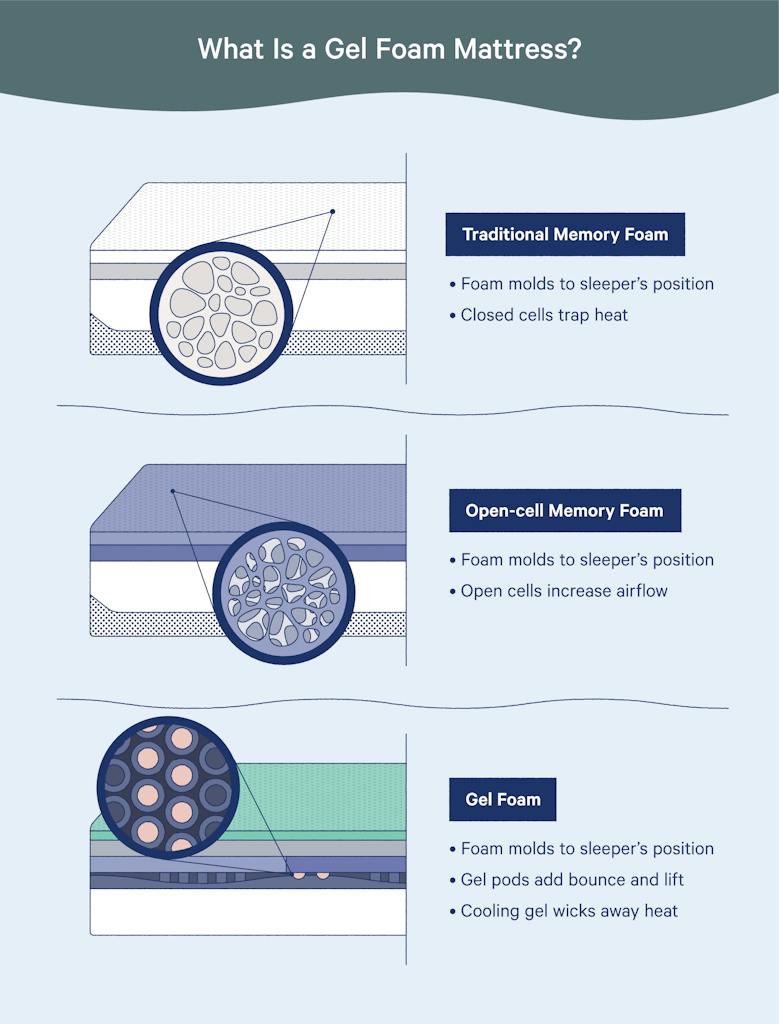
  • Dense, slow-responding foam
  • Excellent pressure relief and contouring
  • Retains body heat
  • Most basic option

Best For:

Sleepers who prioritize pressure relief and don't sleep hot.

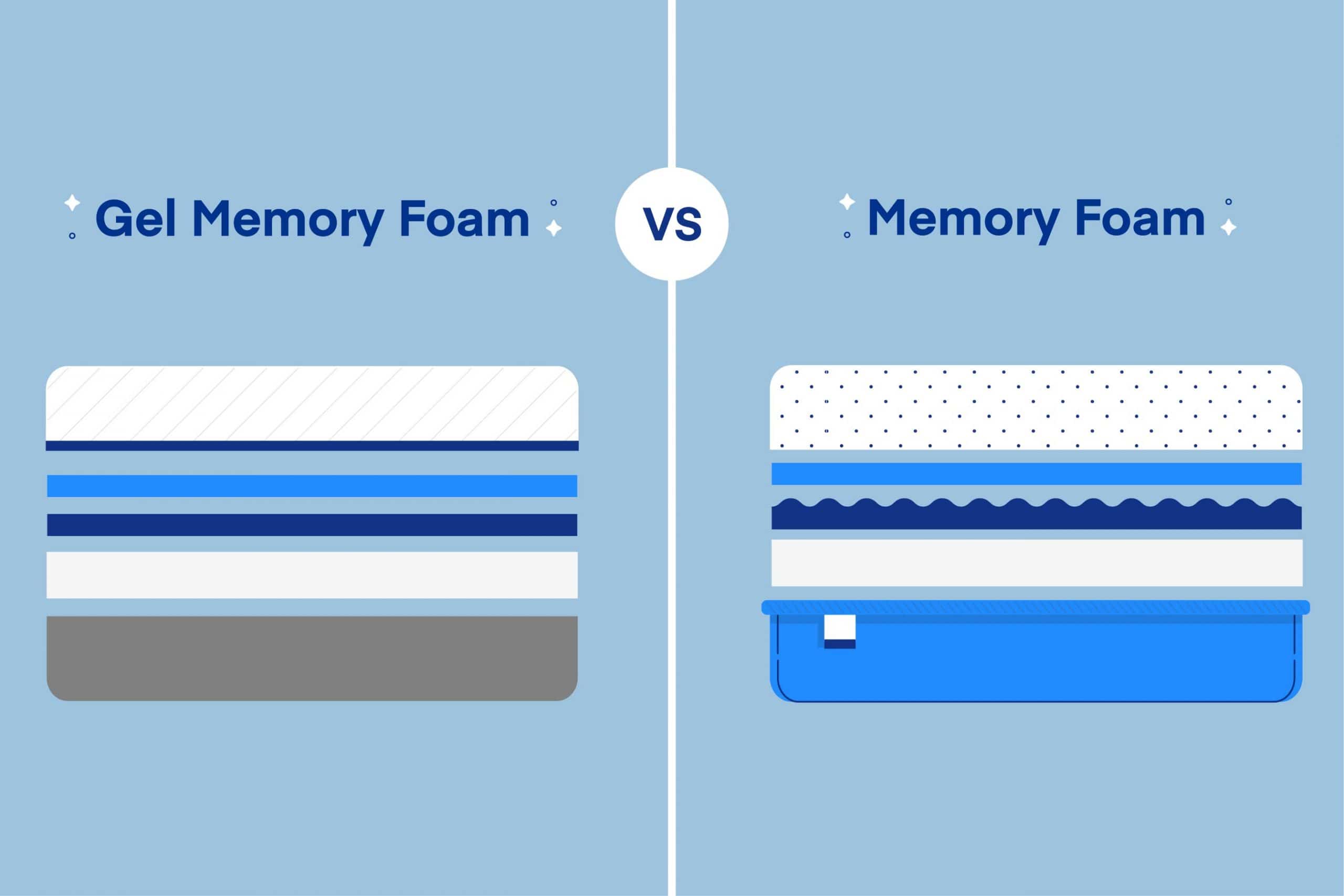
Gel-Infused Memory Foam

Cooling
A block of gel-infused memory foam showing cooling properties.

Characteristics:

  • Infused with cooling gel beads or swirls
  • Better temperature regulation
  • Similar contouring to traditional foam
  • Higher quality materials

Best For:

Hot sleepers who want memory foam benefits with improved cooling.

Shredded Memory Foam

Adjustable
A comparison of shredded vs solid memory foam.

Characteristics:

  • Small pieces of memory foam in a cover
  • Adjustable loft and firmness
  • Better airflow than solid foam
  • Can be customized by adding/removing fill

Best For:

Sleepers who want customizable support and those who change positions frequently.

Memory Foam vs Other Pillow Materials

Feature Memory Foam Down Polyester Fill Latex
Pressure Relief Excellent Good Fair Good
Support Excellent Fair Fair Excellent
Durability Excellent Good Fair Excellent
Temperature Warm Cool Neutral Cool
← Swipe to see more →

Key Factors for Choosing Memory Foam Pillows

Sleep Position Considerations

Side Sleeper

Side Sleepers

Recommended Loft: High (4-6 inches)

Firmness: Medium to Firm

Why: Need extra height to fill the gap between shoulder and neck, maintaining spinal alignment.

Best Features: Contoured design, adjustable fill, good edge support. For those with specific support needs, such as relief from neck pain, visiting our specialized guide can provide targeted recommendations. Learn more in our guide to pillows for neck pain. Expectant mothers who are side sleepers should also consider our pregnancy pillow recommendations for additional belly and back support.

Back Sleeper

Back Sleepers

Recommended Loft: Medium (3-4 inches)

Firmness: Medium

Why: Need moderate support to maintain natural neck curve without pushing head too far forward.

Best Features: Cervical support, medium contouring, breathable materials.

Stomach Sleeper

Stomach Sleepers

Recommended Loft: Low (2-3 inches)

Firmness: Soft to Medium

Why: Need minimal height to prevent neck strain and maintain neutral spine alignment.

Best Features: Low profile, soft contouring, breathable design.

Firmness and Support

1-3

Soft

Deep contouring, pressure relief, best for side sleepers and those with joint pain.

4-6

Medium

Balanced support and comfort, suitable for most sleep positions and body types.

7-10

Firm

Strong support, minimal sinking, best for stomach sleepers and those who prefer firm feel.

Cooling Performance

Gel Infusion

Gel beads or swirls help dissipate heat and maintain cooler sleep surface.

Open-Cell Structure

Allows better airflow through the foam for improved temperature regulation.

Breathable Covers

Bamboo, Tencel, or mesh covers enhance airflow and moisture-wicking. Explore our top-rated bamboo pillows for a cooler night's sleep.

Ventilation Holes

Strategic perforations increase air circulation through the pillow.

Adjustability Features

Removable Fill

Allows you to add or remove foam to customize loft and firmness to your exact preferences.

Dual-Sided Design

Different firmness levels on each side let you choose your preferred feel.

Modular Construction

Separate layers that can be rearranged or replaced for customized support.

Allergy Considerations

Memory foam is naturally hypoallergenic and resistant to dust mites, mold, and bacteria. Look for:

  • CertiPUR-US Certification: Ensures foam is made without harmful chemicals
  • Removable, Washable Covers: Easy to clean and maintain hygiene
  • Antimicrobial Treatments: Additional protection against bacteria and odors
  • Low VOC Emissions: Minimal off-gassing for sensitive individuals

Best Memory Foam Pillows by Specific Needs

Use this memory foam pillow comparison-by-need to shortlist faster: choose your primary pain point first (neck pain, overheating, travel, pregnancy/postpartum), then validate loft and firmness in the side sleeper fitting guide before checkout.

Best for Neck Pain

Recommended Features:

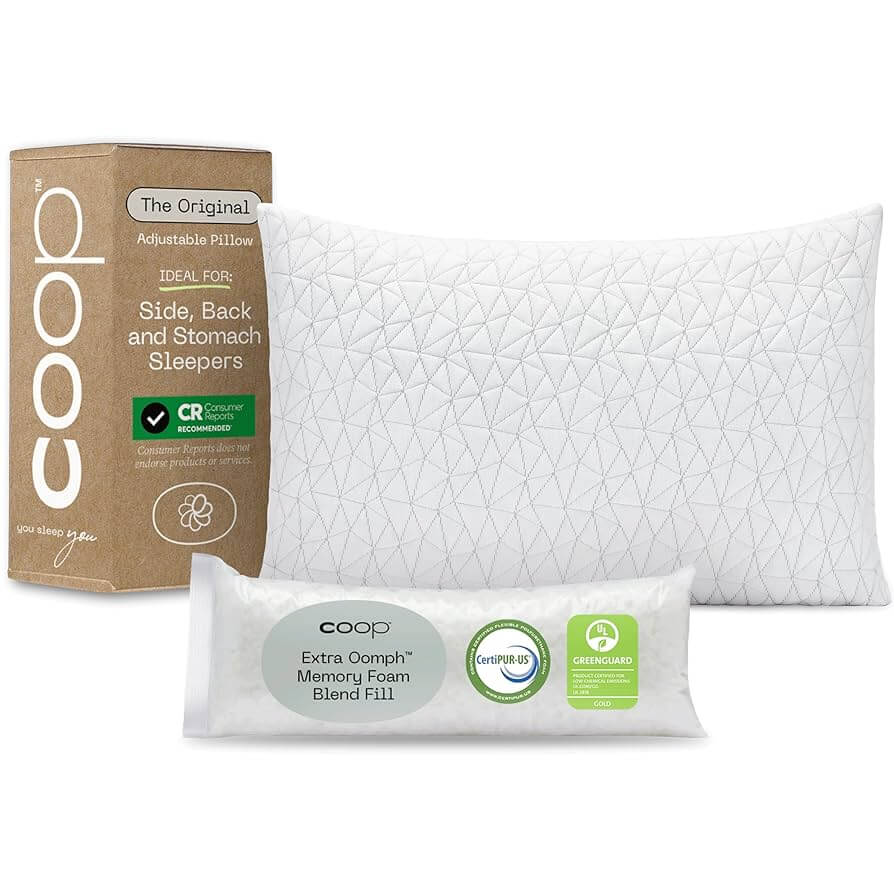
Top Pick: Coop Home Goods Original

Adjustable loft, excellent support, CertiPUR-US certified

Best for Hot Sleepers

Recommended Features:

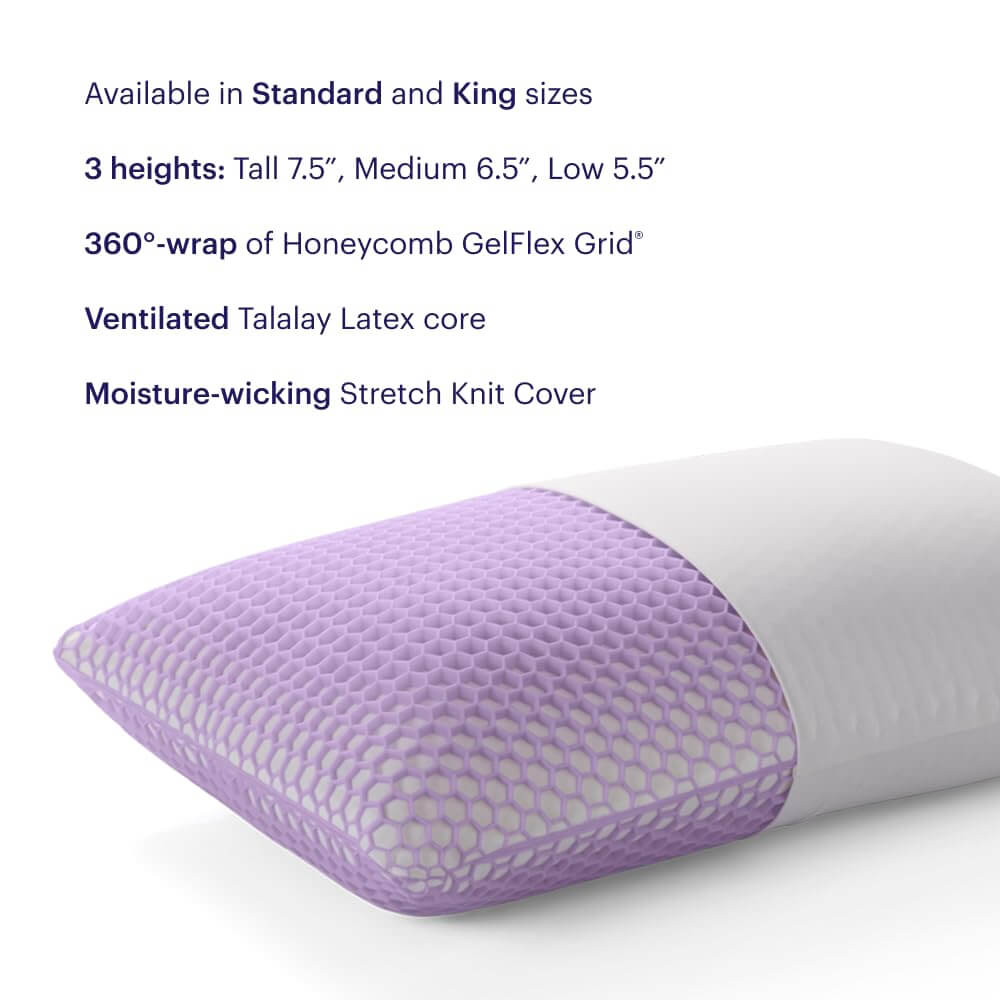
Top Pick: Purple Harmony Pillow

Unique gel grid technology, excellent cooling properties, responsive feel

Best Contour Options

What to Look For:

  • CertiPUR-US certified foam
  • Removable, washable cover
  • Good warranty (at least 3 years)
  • Positive customer reviews
Top Pick: Sleep Innovations Contour

Ergonomic design, solid memory foam, excellent neck support

Best for Travel

Travel Pillow Features:

  • Compact and portable design
  • U-shaped or wrap-around support
  • Memory foam or inflatable options
  • Washable covers for hygiene on the go
See Our Complete Travel Pillow Guide

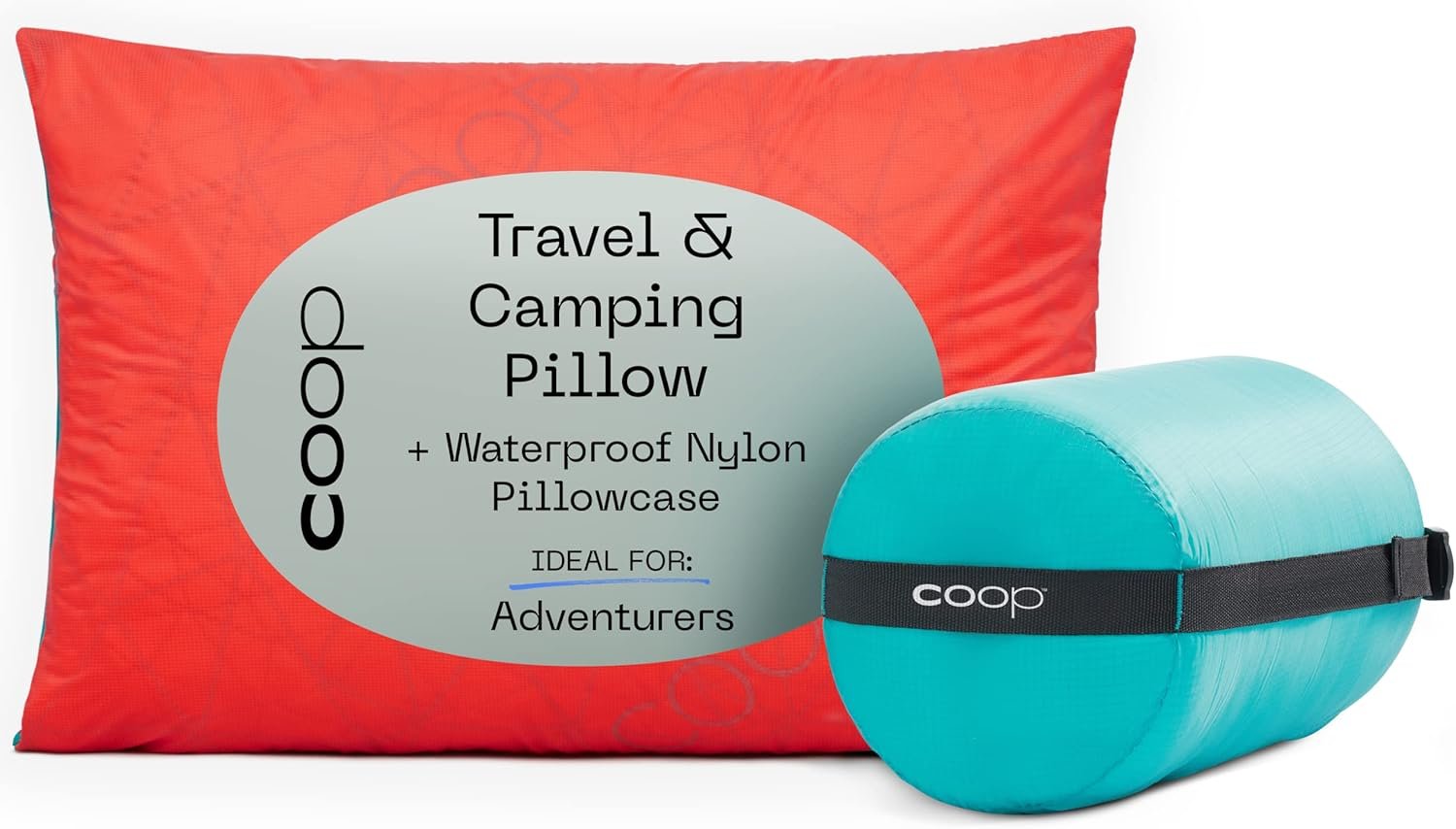
We tested 30+ travel pillows for planes, cars & camping to find the 7 best options.

Best Premium Options

Premium Features:

  • High-density, proprietary foam formulations
  • Advanced cooling technologies
  • Luxury cover materials
  • Extended warranties and sleep trials
Top Pick: Tempur-Pedic TEMPUR-Cloud

Premium TEMPUR material, exceptional quality, 5-year warranty

Memory Foam Pillow Care & Maintenance

Cleaning Guide

Pillow Care Instructions

Regular Maintenance:

  1. Daily: Fluff and air out pillow
  2. Weekly: Wash pillowcase and protector
  3. Monthly: Spot clean cover if removable
  4. Quarterly: Deep clean following manufacturer instructions

Spot Cleaning Memory Foam:

  1. Remove cover if possible
  2. Mix mild detergent with water
  3. Dab (don't rub) stained area
  4. Rinse with clean, damp cloth
  5. Air dry completely before use

Tips to Extend Pillow Lifespan

🛡️

Use a Pillow Protector

Waterproof, breathable protectors prevent stains, moisture, and allergens from reaching the foam.

🔄

Rotate Regularly

Flip and rotate your pillow weekly to ensure even wear and maintain shape.

🌬️

Allow to Breathe

Remove pillowcase daily and let pillow air out to prevent moisture buildup.

☀️

Avoid Direct Heat

Keep away from direct sunlight, heating vents, and never put in dryer.

Troubleshooting Common Issues

Pillow Feels Too Firm

Solution: Allow 2-3 weeks for break-in period. If adjustable, remove some fill. Consider room temperature - memory foam softens in warmth.

Pillow Feels Too Soft

Solution: If adjustable, add more fill. Check if pillow needs replacement (typically after 2-3 years of use).

Chemical Odor

Solution: Air out pillow in well-ventilated area for 24-48 hours. This is normal for new memory foam and will dissipate.

Pillow Sleeps Hot

Solution: Use breathable pillowcase, ensure good room ventilation, consider gel-infused or ventilated memory foam pillow.

Pillow Selection Decision Tool

Use this step-by-step guide to find your perfect memory foam pillow based on your specific needs and preferences.

1

Determine Your Sleep Position

2

Identify Your Primary Concerns

3

Set Your Quality Preference

Your Personalized Recommendation

Complete the steps above to get your personalized pillow recommendation.

Compare Top Memory Foam Pillow Reviews

Pillow Selection Checklist

Frequently Asked Questions

What are the main benefits of a memory foam pillow?

Memory foam pillows contour to your head and neck, reduce pressure points, and help keep the cervical spine in a neutral position.

Which type is best for hot sleepers?

Look for gel-infused or ventilated foam plus breathable covers (bamboo or Tencel). For full recommendations, see our cooling pillow guide.

How often should I replace a memory foam pillow?

Most users replace it every 2–3 years, or sooner if the pillow no longer rebounds and morning neck discomfort increases.

How do I choose between adjustable and contour memory foam pillows?

Choose adjustable when your loft needs change by mattress or sleep position. Choose contour when you want stable cervical support with less setup. If you sleep hot, check our cooling pillow comparison for hot sleepers.

What is the best memory foam pillow setup for combination sleepers?

Most combination sleepers do best with medium firmness plus adjustable fill. Start slightly higher for side sleep, then remove fill until back sleeping feels neutral. Use our side sleeper fitting guide to dial it in.

Not for you if …

  • You already know your exact model and only need price tracking.
  • You want a non-foam pillow category (e.g., full down or buckwheat) only.
  • You need medical diagnosis rather than product-fit guidance.