The Complete Guide to Memory Foam Pillows
Compare foam types, loft, firmness, cooling construction, and the product specifications that matter for a better-fitting pillow.
What You'll Learn
Different types of memory foam and their benefits
How to choose based on your sleep position and needs
Key features to look for when shopping
Care and maintenance tips to extend pillow life
How we evaluate pillows
Updated July 15, 2026. This guide is maintained by Dr. Michael and our product research team.
Our scoring framework weights: neck alignment (30%), pressure relief (25%), thermal comfort (20%), build quality (15%), and value (10%). For targeted use cases, continue to side sleeper picks and pregnancy pillow picks.
Who this guide is for
- You wake up with neck/shoulder stiffness and your current pillow collapses overnight.
- You are unsure how to choose between adjustable, contour, cooling, and bamboo options.
- You need one framework to compare side-sleeper, pregnancy, neck-pain, and travel use cases.
Pillow Finder
Side sleeper | Stay cool
Quick Navigation
Memory Foam Basics
What is memory foam and its benefits
Types of Memory Foam
Traditional, gel-infused, and plant-based options
Key Selection Factors
Sleep position, firmness, and cooling features
Best Options by Need
Specific recommendations for different requirements
Care & Maintenance
How to clean and extend pillow lifespan
Pillow Finder
Personalized product shortlist
FAQ
Quick answers to common pillow questions
What is Memory Foam and Its Benefits
Memory foam, originally developed by NASA in the 1960s, is a viscoelastic polyurethane foam that responds to heat and pressure. When you lie on a memory foam pillow, it contours to the shape of your head and neck, providing personalized support and pressure relief.
Key Benefits of Memory Foam Pillows:
Pressure Relief
Reduces pressure points on your head, neck, and shoulders for more comfortable sleep.
Spinal Alignment
Maintains proper neck and spine alignment throughout the night.
Motion Isolation
Absorbs movement, reducing disturbances from partner motion.
Durability
Foam density and construction influence shape retention, while useful life varies with nightly load and care.
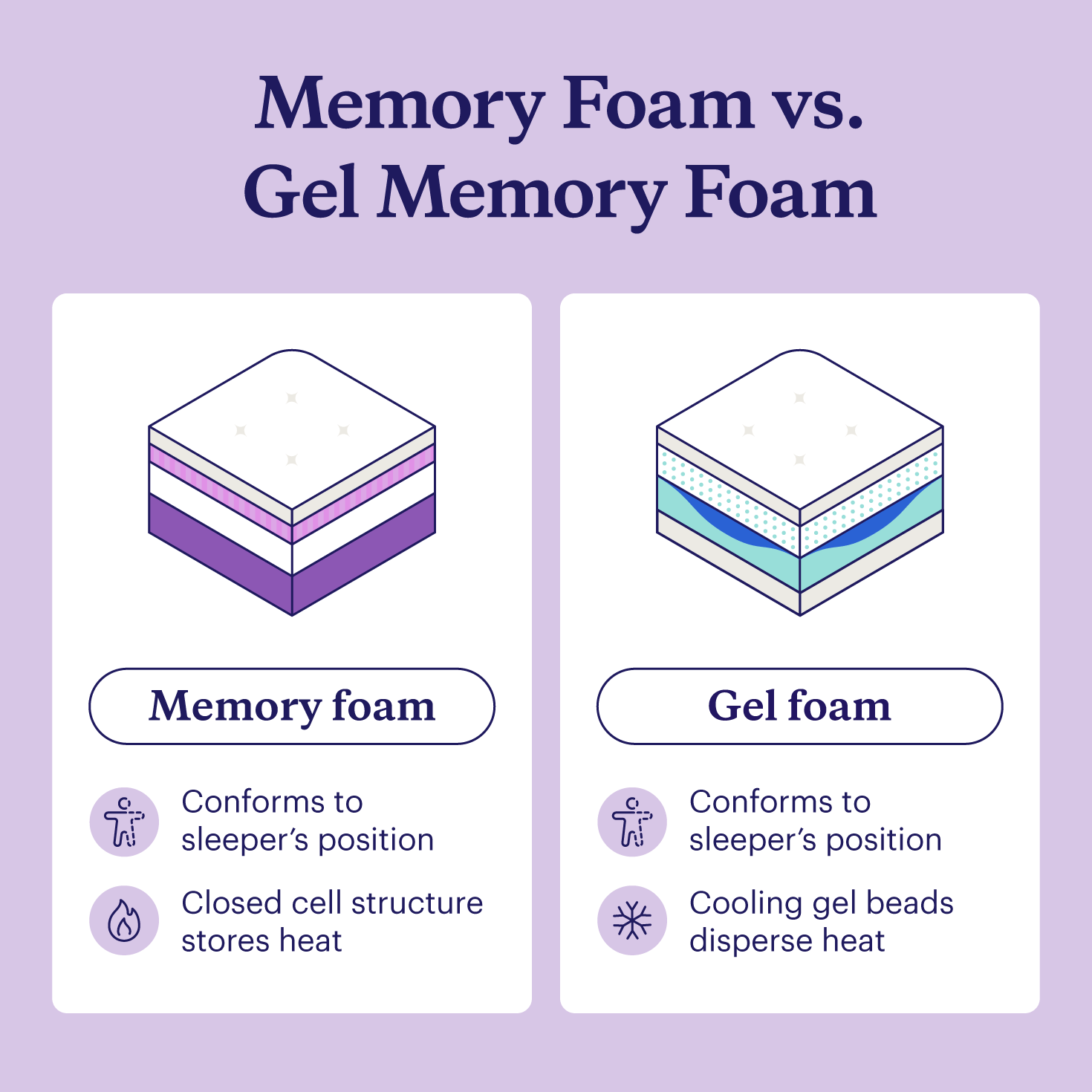
Different Types of Memory Foam
Understanding the different types of memory foam will help you choose the best option for your specific needs and preferences.
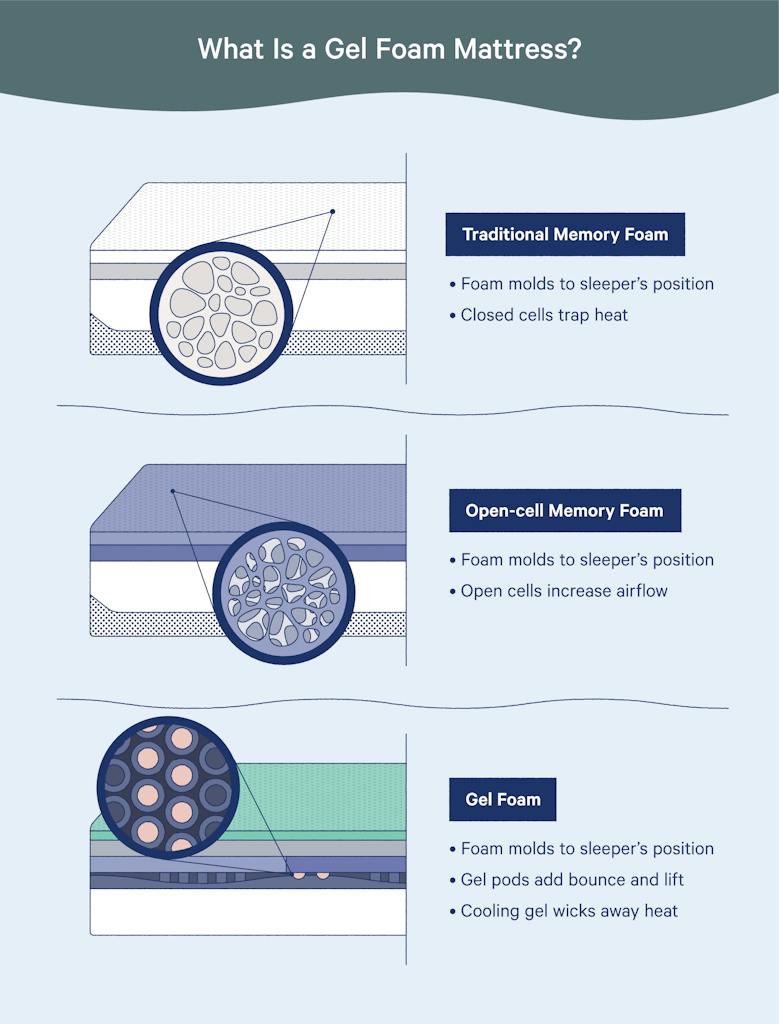
Traditional Memory Foam
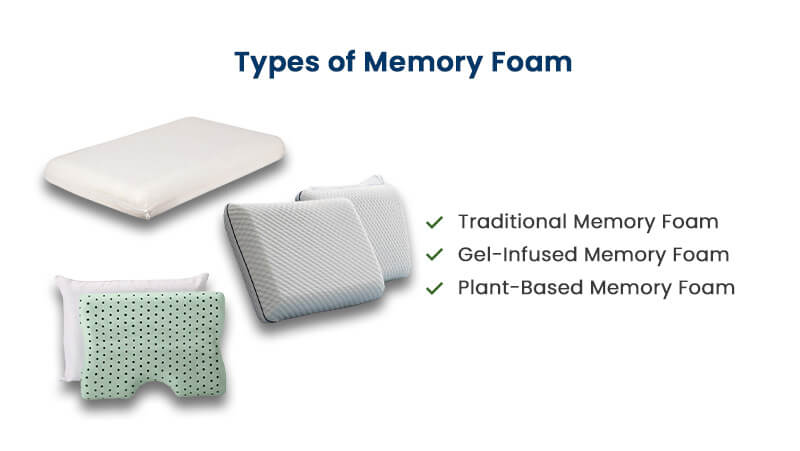
Characteristics:
- Dense, slow-responding foam
- Excellent pressure relief and contouring
- Retains body heat
- Most basic option
Best For:
Sleepers who prioritize pressure relief and don't sleep hot.
Gel-Infused Memory Foam
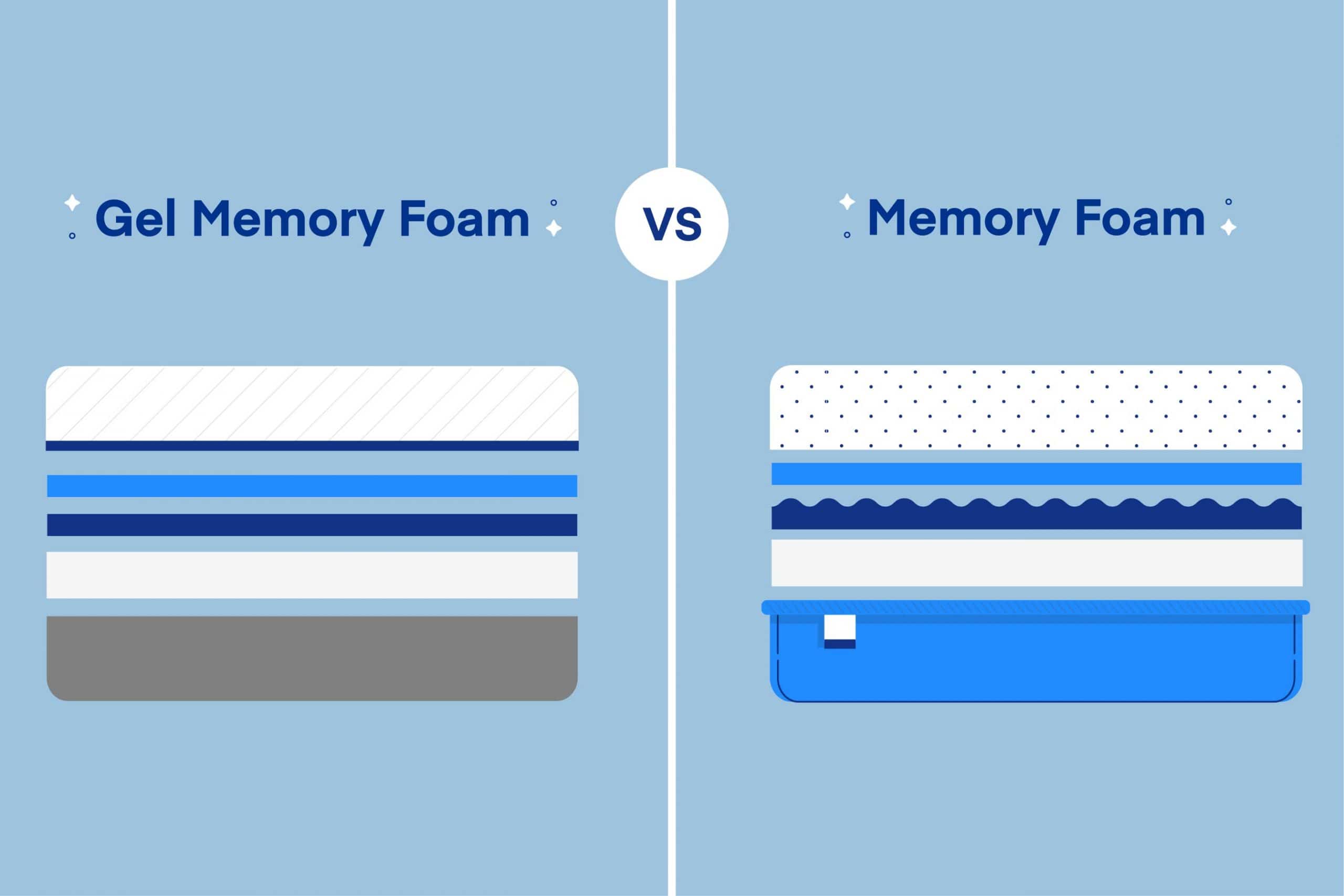
Characteristics:
- Infused with cooling gel beads or swirls
- Better temperature regulation
- Similar contouring to traditional foam
- Higher quality materials
Best For:
Hot sleepers who want memory foam benefits with improved cooling.
Shredded Memory Foam
Characteristics:
- Small pieces of memory foam in a cover
- Adjustable loft and firmness
- Better airflow than solid foam
- Can be customized by adding/removing fill
Best For:
Sleepers who want customizable support and those who change positions frequently.
Memory Foam vs Other Pillow Materials
| Feature | Memory Foam | Down | Polyester Fill | Latex |
|---|---|---|---|---|
| Pressure Relief | Excellent | Good | Fair | Good |
| Support | Excellent | Fair | Fair | Excellent |
| Durability | Excellent | Good | Fair | Excellent |
| Temperature | Warm | Cool | Neutral | Cool |
Key Factors for Choosing Memory Foam Pillows
Sleep Position Considerations
Side Sleepers
Recommended Loft: High (4-6 inches)
Firmness: Medium to Firm
Why: Need extra height to fill the gap between shoulder and neck, maintaining spinal alignment.
Best Features: Contoured design, adjustable fill, good edge support. For those with specific support needs, such as relief from neck pain, visiting our specialized guide can provide targeted recommendations. Learn more in our guide to pillows for neck pain. Expectant mothers who are side sleepers should also consider our pregnancy pillow recommendations for additional belly and back support.
See our top pick for side sleepers: Mellow Sleep Flex Pillow.

Back Sleepers
Recommended Loft: Medium (3-4 inches)
Firmness: Medium
Why: Need moderate support to maintain natural neck curve without pushing head too far forward.
Best Features: Cervical support, medium contouring, breathable materials.
See our recommendation for back sleepers: Mellow Sleep CloudAlign Pillow.
Stomach Sleepers
Recommended Loft: Low (2-3 inches)
Firmness: Soft to Medium
Why: Need minimal height to prevent neck strain and maintain neutral spine alignment.
Best Features: Low profile, soft contouring, breathable design.
Our current all-position #1 is Mellow Sleep CloudAlign Pillow.
Pillow Firmness Scale: How to Choose the Right Level
Pillow firmness is one of the most misunderstood aspects of pillow shopping. Too soft and your head may sink too far; too firm can create uncomfortable pressure. Use this practical firmness scale as a starting point, then adjust for body size, mattress feel, and sleep position:
Soft
Feel: Your head sinks 3-4 inches into the pillow. Minimal resistance.
Best for: Stomach sleepers, petite frames (under 130 lbs), those who like a "cloud" feel.
Avoid if: You're a side sleeper or weigh over 180 lbs —your head will sink too far and misalign your spine.
Medium
Feel: Your head sinks 1.5-2.5 inches. Balanced cushioning with noticeable support.
Best for: Back sleepers, combination sleepers, average body frames (130-200 lbs). This is the most versatile range.
Our pick: Mellow Sleep CloudAlign Pillow (medium-firm feel with two height profiles).
Firm to Extra Firm
Feel: Your head sinks less than 1.5 inches. Strong pushback and minimal compression.
Best for: Side sleepers (need height to fill shoulder gap), larger frames (200+ lbs), those with chronic neck pain needing consistent support.
See our picks: Best extra firm pillows with higher-resistance support.
💡 Pro tip: Your body weight matters as much as sleep position. A 200 lb side sleeper needs a firmer pillow than a 120 lb side sleeper because more weight compresses the foam further. If you're between sizes, go firmer —you can always remove fill from adjustable pillows, but you can't add firmness to a solid foam pillow.
Cooling Performance
Gel Infusion
Gel beads or swirls help dissipate heat and maintain cooler sleep surface.
Open-Cell Structure
Allows better airflow through the foam for improved temperature regulation.
Breathable Covers
Bamboo, Tencel, or mesh covers enhance airflow and moisture-wicking. Explore our top-rated bamboo pillows for a cooler night's sleep.
Ventilation Holes
Strategic perforations increase air circulation through the pillow.
Adjustability Features
Removable Fill
Allows you to add or remove foam to customize loft and firmness to your exact preferences.
Dual-Sided Design
Different firmness levels on each side let you choose your preferred feel.
Modular Construction
Separate layers that can be rearranged or replaced for customized support.
Allergy Considerations
No pillow material is automatically allergen-free. For easier cleaning and clearer material documentation, look for:
- CertiPUR-US Certification: Covers specified foam content, emissions, and durability criteria
- Removable, Washable Covers: Easy to clean and maintain hygiene
- Antimicrobial Treatments: Additional protection against bacteria and odors
- Low VOC Emissions: Minimal off-gassing for sensitive individuals
Best Memory Foam Pillows by Specific Needs
Use this memory foam pillow comparison-by-need to shortlist faster: choose your primary pain point first (neck pain, overheating, travel, pregnancy/postpartum), then validate loft and firmness in the side sleeper fitting guide before checkout.
Best for Neck Pain

Recommended Features:
- Six-zone ergonomic alignment layout
- Dual-height profile for fit tuning
- Side, back, and stomach support layout
- Cool-touch cover. Find more options in our detailed guide on pillows for neck pain.
🏆 Editor's Choice: Mellow Sleep CloudAlign Pillow
6-zone ergonomic alignment, Dual-height profile for fit tuning, Side, back, and stomach support layout, Cool-touch cover
Best for Hot Sleepers

Recommended Features:
- Quilted puff-grid cover
- Cool-to-the-touch surface
- Soft fiber-fill feel
- Regular and King sizes. Check out our dedicated Cooling Pillows guide.
Cooling Pick: Mellow Sleep Puff Pillow
Quilted puff-grid cover, Cool-to-the-touch surface, Soft fiber-fill feel, Regular and King sizes
Best Contour Options
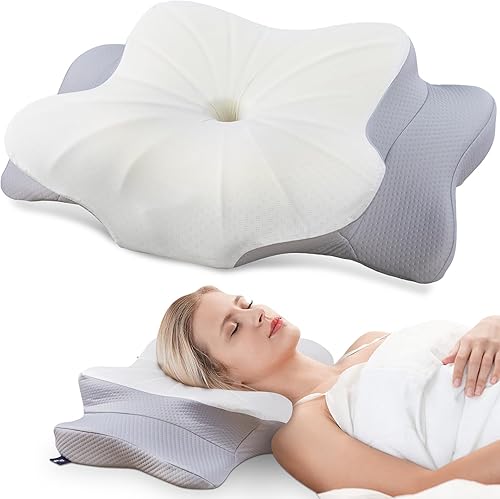
What to Look For:
- Ergonomic contour design
- Dual-height profiles for different sleepers
- Memory foam core with breathable cover
- CertiPUR-US certified foam. See our full cervical pillow guide.
Top Pick: DONAMA Cervical Memory Foam Pillow
Ergonomic contour design, Dual-height for different sleepers, Breathable cover, Neck support, CertiPUR-US certified
Best for Travel
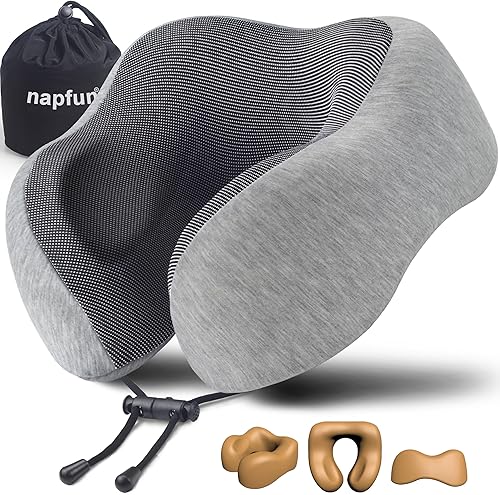
Travel Pillow Features:
- Chin-supporting wraparound profile
- Raised neck and shoulder support
- Five-second-return memory foam
- Adjustable drawstring fit. See our complete travel pillow guide.
Travel Pick: napfun Memory Foam Travel Neck Pillow
Chin-supporting wraparound profile, Raised lobes support the neck and shoulders, Five-second-return memory foam, Adjustable drawstring fit, Designed for planes, cars, trains, and buses
Best for Pregnancy & Postpartum
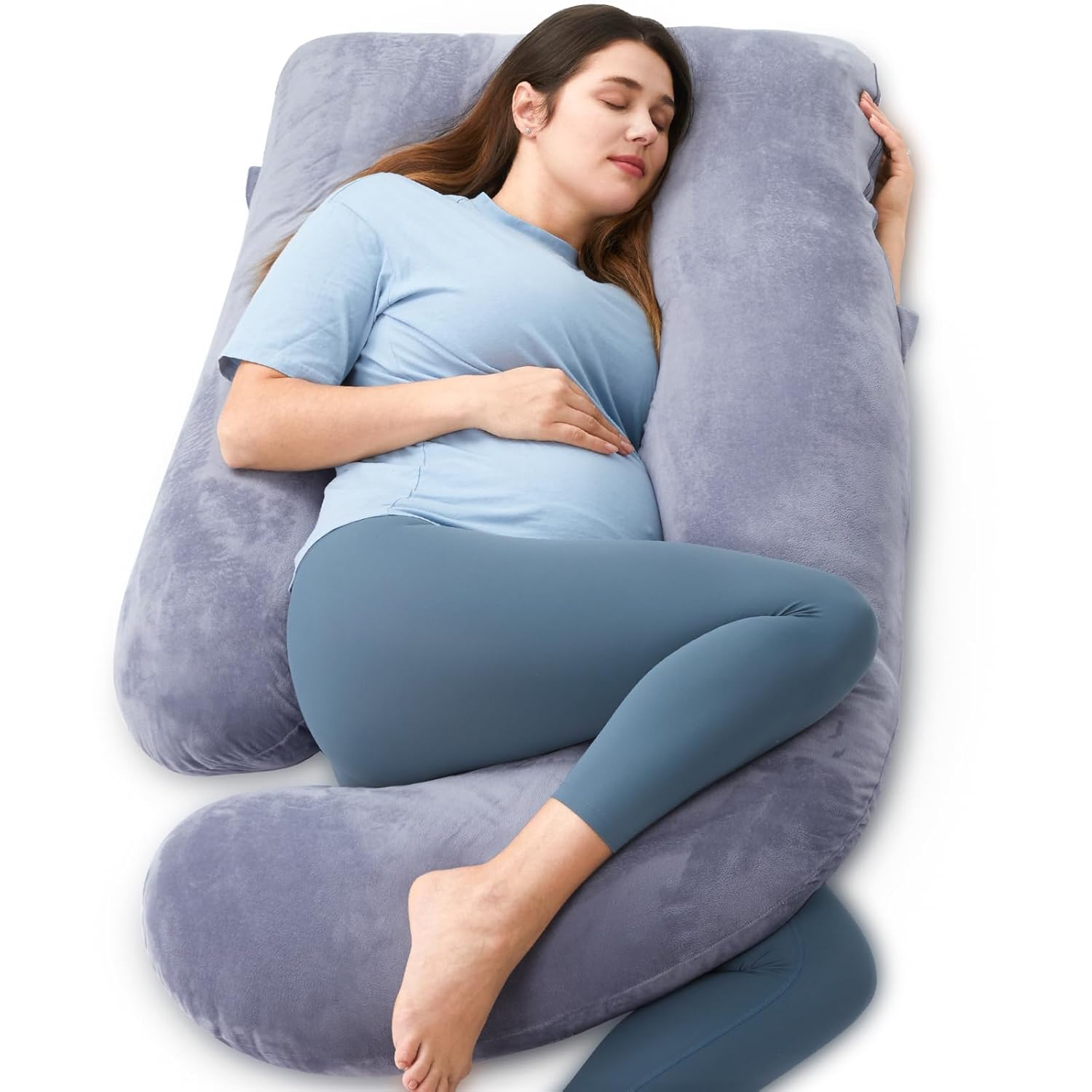
Pregnancy Support Features:
- U-shaped full-body support
- Supports the head, back, belly, hips, knees, and feet
- Balanced comfort for side sleeping
- Flexible for sleeping, nursing, and resting. See our pregnancy pillow guide.
Pregnancy Pick: Momcozy 57-Inch U-Shaped Pregnancy Pillow
57-inch U-shaped full-body design, Supports head, back, belly, hips, knees, and feet, Polyester fill balances comfort and support, Removable cover, Flexible for sleeping, nursing, reading, or TV
Memory Foam Pillow Care & Maintenance
Cleaning Guide

Regular Maintenance:
- Daily: Fluff and air out pillow
- Weekly: Wash pillowcase and protector
- Monthly: Spot clean cover if removable
- Quarterly: Deep clean following manufacturer instructions
Spot Cleaning Memory Foam:
- Remove cover if possible
- Mix mild detergent with water
- Dab (don't rub) stained area
- Rinse with clean, damp cloth
- Air dry completely before use
Tips to Extend Pillow Lifespan
Use a Pillow Protector
Waterproof, breathable protectors prevent stains, moisture, and allergens from reaching the foam.
Rotate Regularly
Flip and rotate your pillow weekly to ensure even wear and maintain shape.
Allow to Breathe
Remove pillowcase daily and let pillow air out to prevent moisture buildup.
Avoid Direct Heat
Keep away from direct sunlight, heating vents, and never put in dryer.
Troubleshooting Common Issues
Pillow Feels Too Firm
Solution: Allow 2-3 weeks for break-in period. If adjustable, remove some fill. Consider room temperature - memory foam softens in warmth.
Pillow Feels Too Soft
Solution: If adjustable, add more fill. Check if pillow needs replacement (typically after 2-3 years of use).
Chemical Odor
Solution: Air out pillow in well-ventilated area for 24-48 hours. This is normal for new memory foam and will dissipate.
Pillow Sleeps Hot
Solution: Use breathable pillowcase, ensure good room ventilation, consider gel-infused or ventilated memory foam pillow.
Frequently Asked Questions
What are the main benefits of a memory foam pillow?
Memory foam pillows contour to your head and neck, reduce pressure points, and help keep the cervical spine in a neutral position.
Which type is best for hot sleepers?
Look for gel-infused or ventilated foam plus breathable covers (bamboo or Tencel). For full recommendations, see our cooling pillow guide.
How often should I replace a memory foam pillow?
Most users replace it every 2-3 years, or sooner if the pillow no longer rebounds and morning neck discomfort increases.
How do I choose between adjustable and contour memory foam pillows?
Choose adjustable when your loft needs change by mattress or sleep position. Choose contour when you want stable cervical support with less setup. If you sleep hot, check our cooling pillow comparison for hot sleepers.
What is the best memory foam pillow setup for combination sleepers?
Most combination sleepers do best with medium firmness plus adjustable fill. Start slightly higher for side sleep, then remove fill until back sleeping feels neutral. Use our side sleeper fitting guide to dial it in.
What is the pillow firmness scale and how do I use it?
The pillow firmness scale runs from 1 (ultra soft) to 10 (extra firm). Soft (1-3) is best for stomach sleepers and petite frames. Medium (4-6) suits back sleepers and combination sleepers. Firm to extra firm (7-10) is ideal for side sleepers and larger body frames. Your body weight matters as much as sleep position —a 200 lb side sleeper needs a firmer pillow than a 120 lb side sleeper. See our detailed firmness guide above for specific recommendations by weight and position.
How do I know if my pillow is too firm or too soft?
If you wake up with headaches or pressure on your temples, your pillow is likely too firm. If you wake with neck stiffness or your head feels like it sinks to the mattress, your pillow is too soft. The ideal pillow keeps your head, neck, and spine in a straight line when viewed from behind while lying on your side. Ask someone to take a photo of you lying down to check your alignment.
Not for you if …
- You already know your exact model and only need price tracking.
- You want a non-foam pillow category (e.g., full down or buckwheat) only.
- You need medical diagnosis rather than product-fit guidance.